Exploring the Necessary Applications and Uses of Light Weight Aluminum Shop in Modern Manufacturing
Aluminum factories play an essential function in modern-day production, serving diverse markets with their one-of-a-kind buildings. From automotive parts that boost gas performance to aerospace frameworks that focus on weight, light weight aluminum's versatility appears. Its applications extend to building and consumer electronics, highlighting its sturdiness and energy performance. The innovations in aluminum spreading strategies and future fads necessitate a closer evaluation, as they may redefine its impact on production.
The Function of Aluminum Foundries in Automotive Manufacturing
As the automotive sector significantly prioritizes lightweight products to boost fuel effectiveness and efficiency, light weight aluminum shops have actually ended up being vital factors to producing processes. These factories concentrate on generating parts that satisfy the rigid demands of modern lorries, such as engine blocks, transmission real estates, and architectural elements. Light weight aluminum's desirable residential properties-- such as high strength-to-weight ratio, deterioration resistance, and exceptional thermal conductivity-- make it a suitable choice for automotive applications.
In addition, aluminum shops utilize sophisticated spreading methods, including die spreading and sand casting, to create sturdy and elaborate components. This ability permits producers to maximize layouts for performance while decreasing weight. The use of light weight aluminum also sustains sustainability objectives, as it is highly recyclable and minimizes power usage in lorries. By promoting the combination of light weight aluminum right into auto design, foundries play a critical function in shaping the future of the automobile market, advertising effectiveness and innovation across the board.
Aerospace Applications: Lightweight Solutions for Trip
Light weight aluminum foundries play a substantial role in the aerospace market, where the need for lightweight products is paramount for enhancing fuel effectiveness and efficiency in aircraft. The distinct residential properties of aluminum, including its high strength-to-weight ratio and corrosion resistance, make it an optimal option for different aerospace parts. These parts include structural parts, engine coverings, and touchdown gear, which add to overall airplane efficiency.
Using light weight aluminum alloys, specifically those created through advanced spreading strategies, enables the manufacturing of detailed layouts and intricate forms while lessening weight. Furthermore, light weight aluminum's recyclability lines up with the aerospace market's sustainability goals, reducing environmental effect. With continuous advancements in light weight aluminum shop modern technologies, manufacturers can maximize manufacturing procedures, resulting in increased efficiency and lowered expenses. As the aerospace industry increasingly focuses on advancements that improve performance, light weight aluminum foundries will certainly stay important to establishing lightweight services for modern-day trip.
Structure and Building: Enhancing Structural Integrity
In the building and building and construction sector, a substantial emphasis is positioned on improving architectural stability through using aluminum. Recognized for its high strength-to-weight proportion, aluminum gives longevity without endangering on weight, which is vital in modern building designs. Its resistance to deterioration even more assures durability, making it an optimal product for different architectural elements, including light beams, structures, and cladding.
Aluminum likewise promotes ingenious design opportunities, allowing engineers and designers to produce cosmetically pleasing structures while preserving safety and security standards. The material's convenience enables its application in both industrial and household jobs, from high-rises to bridges. Additionally, improvements in light weight aluminum shop methods have actually improved the precision of light weight aluminum elements, guaranteeing they fulfill stringent building regulations. Overall, the combination of light weight aluminum in construction not only improves architectural integrity however likewise contributes to sustainable building methods, provided its recyclability and energy-efficient manufacturing techniques.
Customer Electronic Devices: The Surge of Aluminum in Innovation
In the domain name of consumer electronic devices, light weight aluminum has actually obtained prestige as a result of its light-weight layout benefits and premium thermal conductivity. This change not just improves item mobility however likewise improves device performance by effectively dissipating heat. As modern technology proceeds to advance, the role of aluminum in developing reliable and smooth devices is increasingly significant.
Light-weight Style Advantages
As consumer electronic devices advance, the need for lightweight yet durable products has surged, making aluminum a significantly preferred option among suppliers. Its reduced density allows for the production of smooth tools that are very easy to utilize and bring, considerably boosting mobility. The strength-to-weight proportion of light weight aluminum guarantees that items can stand up to daily damage without jeopardizing performance. Furthermore, the malleability of light weight aluminum allows manufacturers to make complex shapes and types, even more adding to cutting-edge visual appeals and functionality. This light-weight feature likewise plays an important duty in energy efficiency, as lighter gadgets need less energy to run. Because of this, light weight aluminum not just meets the advancing aesthetic needs however additionally aligns with the modern-day focus on sustainability in consumer electronic devices.
Thermal Conductivity Advantages
Thermal conductivity is a critical consider the efficiency of consumer electronic devices, and aluminum excels in this domain name. Its high thermal conductivity permits reliable heat dissipation, which is necessary for maintaining optimal operating temperature levels in tools such as smartphones, laptops, and video gaming consoles. By promoting quick heat transfer far from delicate components, light weight aluminum aids prevent overheating, consequently boosting efficiency and prolonging device durability. The lightweight nature of light weight aluminum matches its thermal residential or commercial properties, making it an ideal choice for portable modern technology. As producers progressively focus on performance and energy effectiveness, aluminum's role in thermal management becomes a lot more significant, leading to its expanding fostering in contemporary electronic designs. This trend emphasizes light weight aluminum's relevance in customer electronics development.
Marine Industry: Deterioration Resistance in Harsh Settings
Rust resistance is an important aspect in the marine industry, where tools and structures are routinely revealed to extreme saltwater environments. Light weight aluminum, especially in its alloy forms, offers substantial advantages hereof. Its all-natural oxide layer provides a safety obstacle that stops rust, making it ideal for vessels, anchors, and other aquatic applications.
Marine-grade light weight aluminum alloys, such as 5083 and 6061, are specifically made to withstand the harsh impacts of deep sea and atmospheric problems. These alloys not only stand up to rust but likewise maintain structural integrity and strength with time. Applications range from hulls and superstructures of ships to parts in offshore systems.
The lightweight nature of light weight aluminum additional enhances its viability, allowing improved gas performance and simplicity of handling - Casting Foundry. As the marine market remains to focus on longevity and performance, aluminum continues to be a vital material option for standing up to corrosion sought after marine settings
Developments in Light Weight Aluminum Casting Techniques
While conventional light weight aluminum casting techniques have actually offered the industry well, recent technologies are changing the landscape of light weight aluminum manufacturing. Methods such as 3D printing of mold and mildews and cores are gaining traction, permitting quick prototyping and reduced lead times. This improvement makes it possible for producers to produce intricate geometries that were previously challenging to accomplish with standard casting methods. In addition, advancements in die-casting technology, including using high-pressure die-casting (HPDC), have improved the precision and surface finish of cast light weight aluminum parts, leading to boosted efficiency in numerous applications.
In addition, the fostering of financial investment spreading has actually enabled for better design liberty and lowered material waste. aluminum foundry. Developments in alloy structures are also significant, as they boost mechanical homes and corrosion resistance. Overall, these growths not just enhance production processes but likewise add to more sustainable techniques within the light Casting Foundry weight aluminum shop sector, making it versatile to the progressing demands of modern-day manufacturing
Future Fads in Light Weight Aluminum Foundry Manufacturing
The future of aluminum shop manufacturing is poised for significant makeover through automation, boosting efficiency and accuracy in manufacturing processes. Lasting practices are significantly ending up being a priority, as shops seek to minimize their environmental impact while satisfying expanding regulatory needs. In addition, developments in alloy growth will certainly enable the development of more powerful, lighter materials tailored for varied applications, driving technology in the industry.
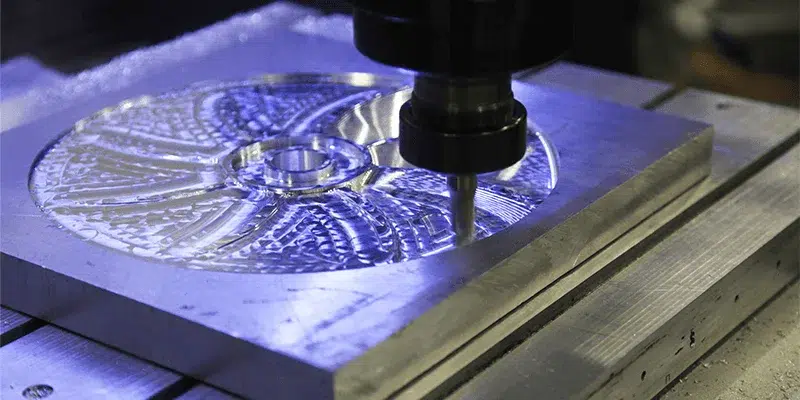
Automation in Factory Processes
Lasting Manufacturing Practices
A growing emphasis on sustainable manufacturing techniques is improving the future of aluminum factory manufacturing. Market leaders are increasingly taking on energy-efficient modern technologies and recycling campaigns to minimize waste and minimize carbon impacts. Using recycled light weight aluminum substantially decreases energy usage compared to key aluminum manufacturing, making it a preferred choice for environmentally mindful manufacturers. On top of that, ingenious spreading techniques are being established to enhance material efficiency and minimize emissions. Firms are also spending in sustainable power sources, such as solar and wind, to power their operations sustainably. Aluminum Casting. By integrating these methods, the aluminum factory industry not just fulfills regulatory needs but likewise reacts to consumer need for greener items, eventually leading the way for a much more lasting manufacturing landscape
Advanced Alloy Advancement
Advancements in aluminum alloy growth are readied to play a considerable duty in the future of foundry production, specifically as sustainability and efficiency demands intensify. The sector is increasingly focusing on developing high-strength, light-weight alloys that can withstand extreme problems while decreasing environmental effect. Scientists are checking out innovative structures, such as aluminum-lithium and aluminum-scandium alloys, which assure enhanced mechanical buildings and reduced weight. Additionally, the combination of innovative manufacturing strategies, including additive production and accuracy casting, enables more complex geometries and decreased material waste. As governing stress and customer preferences shift in the direction of greener alternatives, the advancement of energy-efficient and recyclable alloys will be vital. The future landscape of light weight aluminum factory production depends upon these developments in alloy innovation.

Regularly Asked Questions
What Are the Environmental Influences of Light Weight Aluminum Shop Workflow?
Aluminum foundry operations can cause substantial ecological effects, including greenhouse gas emissions, energy intake, and waste generation. In addition, incorrect administration of pollutants might cause dirt and water contamination, affecting neighborhood ecological communities and communities.
Exactly How Does Light Weight Aluminum Recycling Affect Factory Processes?
Light weight aluminum reusing enhances shop processes by offering a cost-effective resources, minimizing energy intake and discharges. This lasting method boosts performance, decreases waste, and sustains the round economy, profiting both producers and the environment.
What Precaution Are Implemented in Light Weight Aluminum Foundries?
Aluminum factories carry out different precaution, including personal safety devices, correct ventilation systems, normal security training, fire avoidance protocols, and tools maintenance procedures to minimize threats and assure a risk-free workplace for all employees.
Exactly How Do Foundries Ensure Quality Assurance in Light Weight Aluminum Casting?
Factories assure quality assurance in light weight aluminum casting with rigorous product evaluations, specific temperature tracking, standard treatments, and regular testing of actors items. These measures assist preserve uniformity, lower flaws, and meet sector specs effectively.
What Are the Cost Consider Light Weight Aluminum Factory Production?
Cost consider light weight aluminum foundry manufacturing include resources prices, power usage, labor expenses, devices upkeep, and overhead expenditures. Additionally, production quantity and intricacy of styles substantially affect total production prices and productivity.
As the automotive industry increasingly prioritizes light-weight products to boost gas effectiveness and efficiency, aluminum factories have actually become necessary contributors to producing procedures. Light weight aluminum shops play a considerable function in the aerospace industry, where the demand for lightweight products is extremely important for boosting gas effectiveness and performance in airplane. In addition, improvements in light weight aluminum foundry techniques have actually boosted the precision of aluminum parts, guaranteeing they satisfy strict structure codes. While typical light weight aluminum casting methods have actually served the industry well, current advancements are transforming the landscape of aluminum production. The use of recycled aluminum substantially reduces energy intake compared to primary light weight aluminum production, making it a recommended selection for ecologically conscious suppliers.
Comments on “The importance of choosing the right Aluminum Casting Company for long-term results”